Published on Oct. 27, 2025
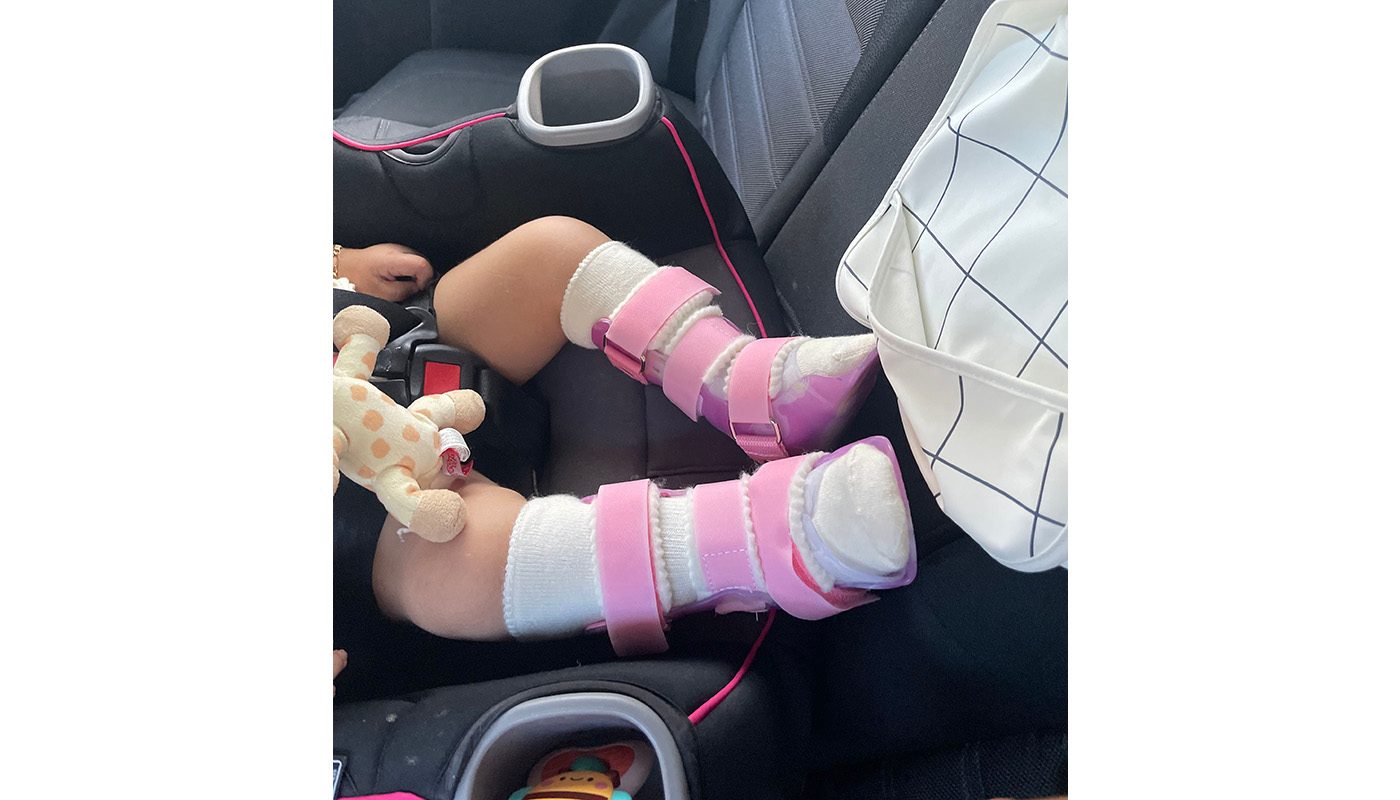
When Liliana and Carlos Lopez learned they were expecting their first child, Camila, they were overjoyed. Liliana was balancing the demands of nursing school, while Carlos was settling into a new job. But during a routine 10-week ultrasound, their excitement was met with concern: Camila’s feet were severely turned inward. She was diagnosed with bilateral clubfoot, and the couple was referred to a maternal-fetal medicine specialist at the Cherese Mari Laulhere BirthCare Center at Miller Children’s & Women’s Hospital for a more detailed scan to confirm the diagnosis and check for other anomalies. Luckily, everything else in the pregnancy appeared normal and she was able to continue with a safe and healthy pregnancy, and they would work on clubfoot treatment after she was delivered.
A Silent Arrival: Camila’s First Moments
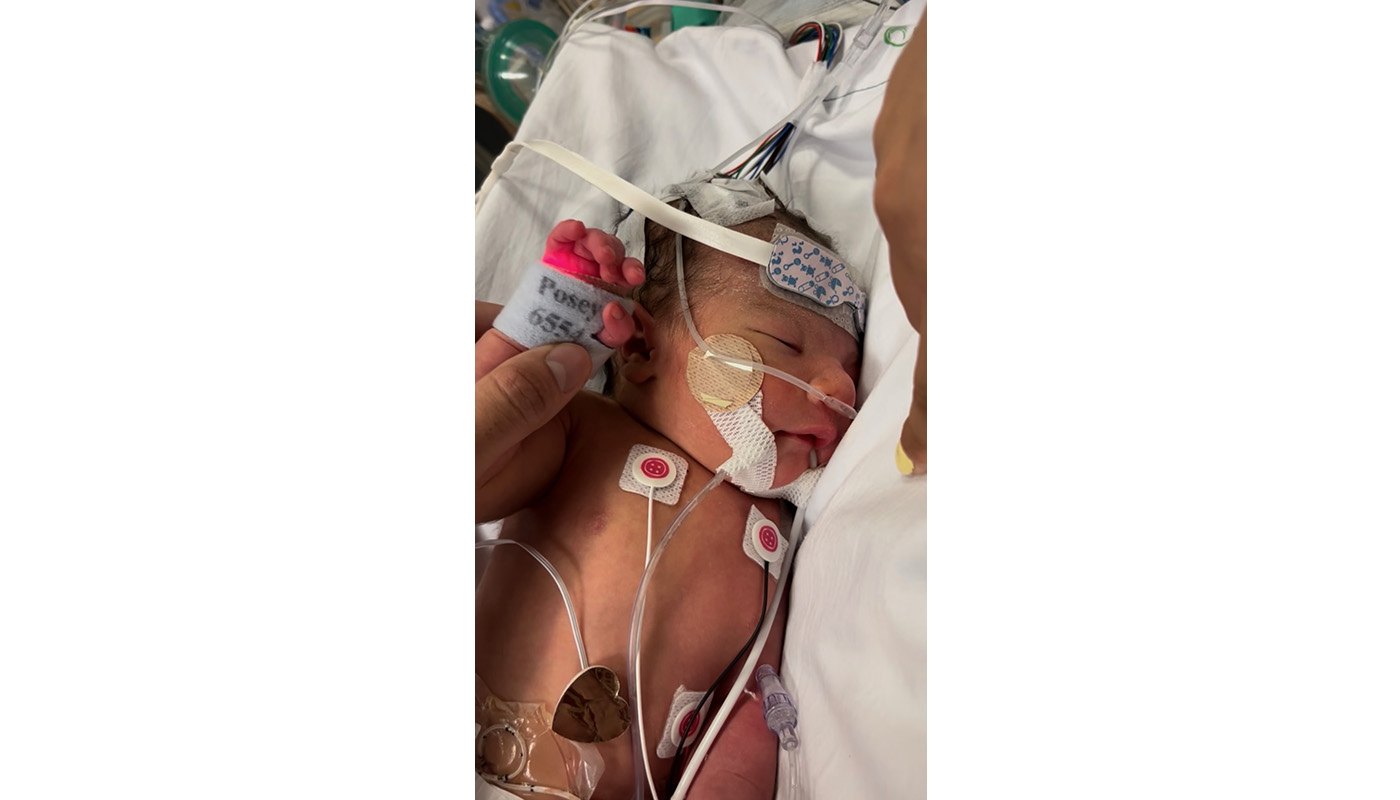
Despite the diagnosis of bilateral clubfoot, Liliana’s pregnancy progressed smoothly. She remained energetic and healthy, with only mild morning sickness in the first trimester. At 38 weeks, Liliana went into labor and headed to Miller Children’s & Women’s Hospital to give birth. Camila was born at a healthy 6.5 pounds—but she didn’t cry, showed no facial movement, and struggled to breathe. These unexpected symptoms raised concerns about possible seizures, and she was immediately transferred to the Neonatal Intensive Care Unit (NICU) at Miller Children’s & Women’s Hospital.
Fortunately, Miller Children’s & Women’s Hospital is one of only 22 hospitals in California to feature a regional Level IV NICU, the highest designation awarded by the American Academy of Pediatrics. This level of specialized care ensured Camila was in the best possible hands from the very beginning.
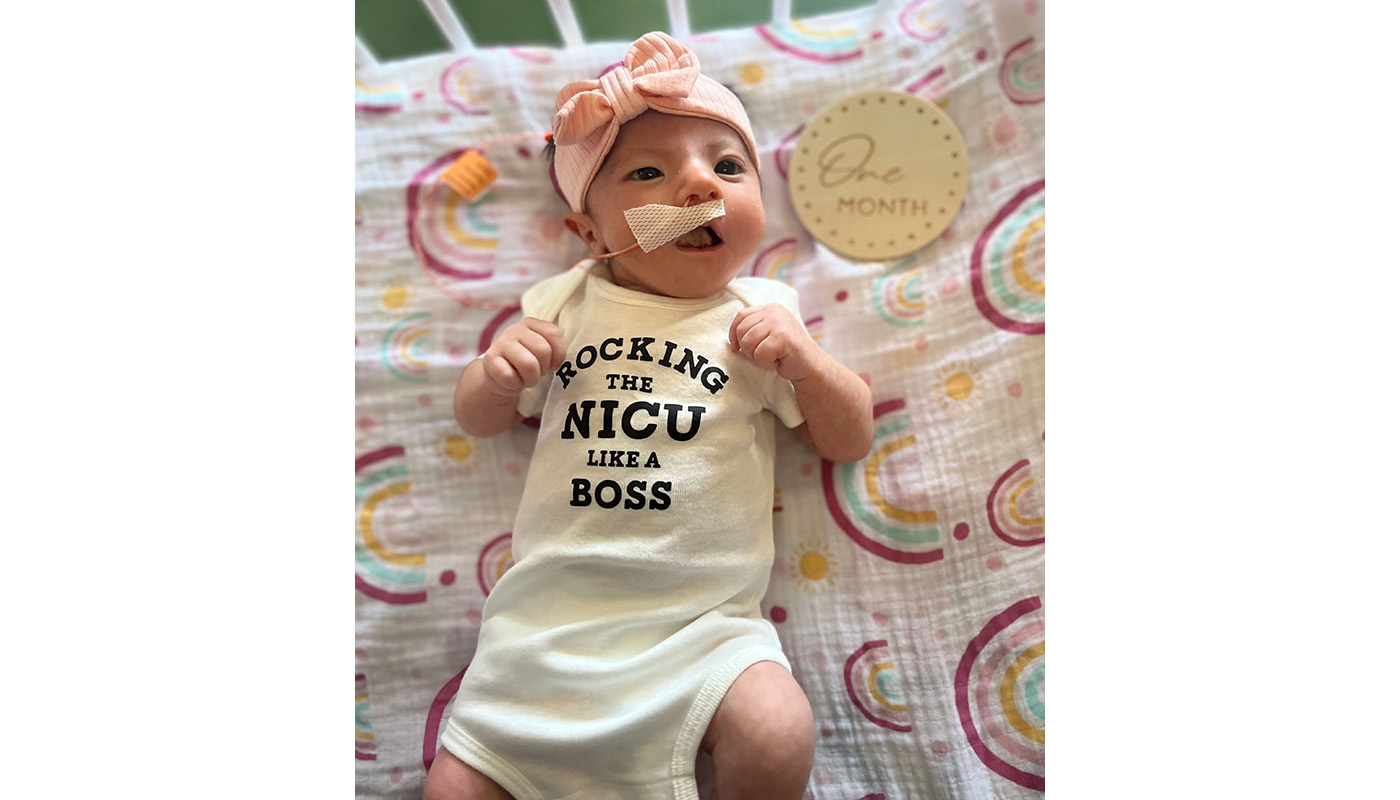
With gentle stimulation, the care team helped Camila breathe more easily. However, she still lacked facial movement and couldn’t latch properly, making her symptoms all the more puzzling. To ensure she received proper nutrition, a nasogastric (NG) tube was placed. After a few weeks, it became clear that her feeding challenges would be long-term, and a gastrostomy (G) tube was placed. A multidisciplinary team—including neurologists, gastroenterologists, audiologists, speech therapists, physical therapists, and craniofacial specialists—came together to provide comprehensive care. After two months of testing and observation, Camila was diagnosed with Moebius syndrome, a rare neurological condition affecting seven craniofacial muscles, limiting her facial expression, eye movement, and oral motor function.
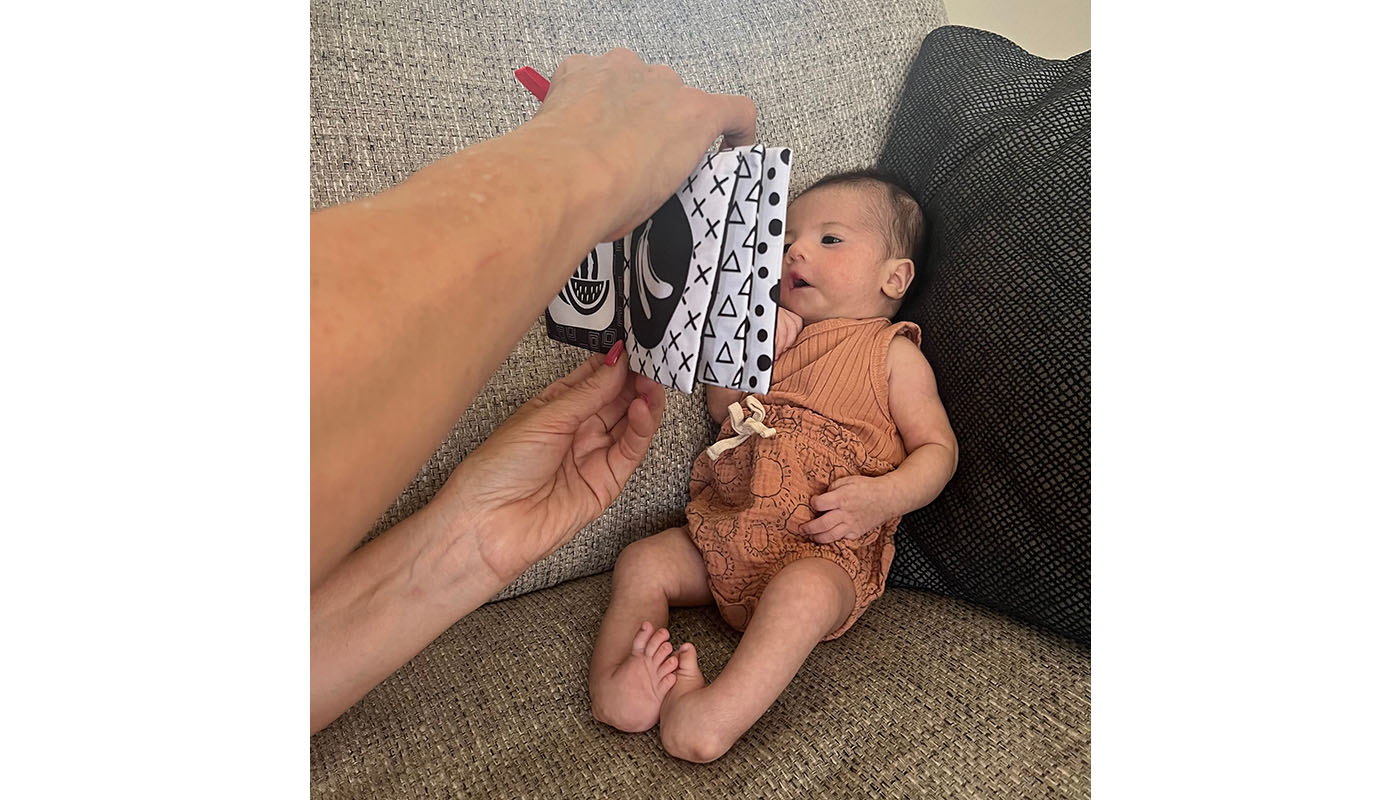
The occurrence of Moebius syndrome is rare, and there is very limited data available regarding its epidemiology. Its complexity requires a highly specialized, coordinated approach to care—something only a comprehensive children’s hospital can provide.
What makes Camila’s story especially powerful is the way Miller Children’s & Women’s brings together a full spectrum of pediatric specialties under one roof. From rehabilitation and orthopedics to neonatology and craniofacial care, every team works in close collaboration to support Camila’s development. This integrated model of care is what defines a dedicated children’s hospital like Miller Children’s & Women’s—where pediatric specialists work side by side under one roof to deliver seamless, personalized treatment plans that give children like Camila every opportunity to thrive.
One Roof, Many Experts: Building Camila’s Care Plan
Camila began receiving speech and occupational therapy in the NICU, laying the foundation for her developmental progress. After discharge, Camila continued physical therapy through the Rehabilitation Center at the Cherese Mari Laulhere Children’s Village—an outpatient hub designed specifically for children with complex medical needs.
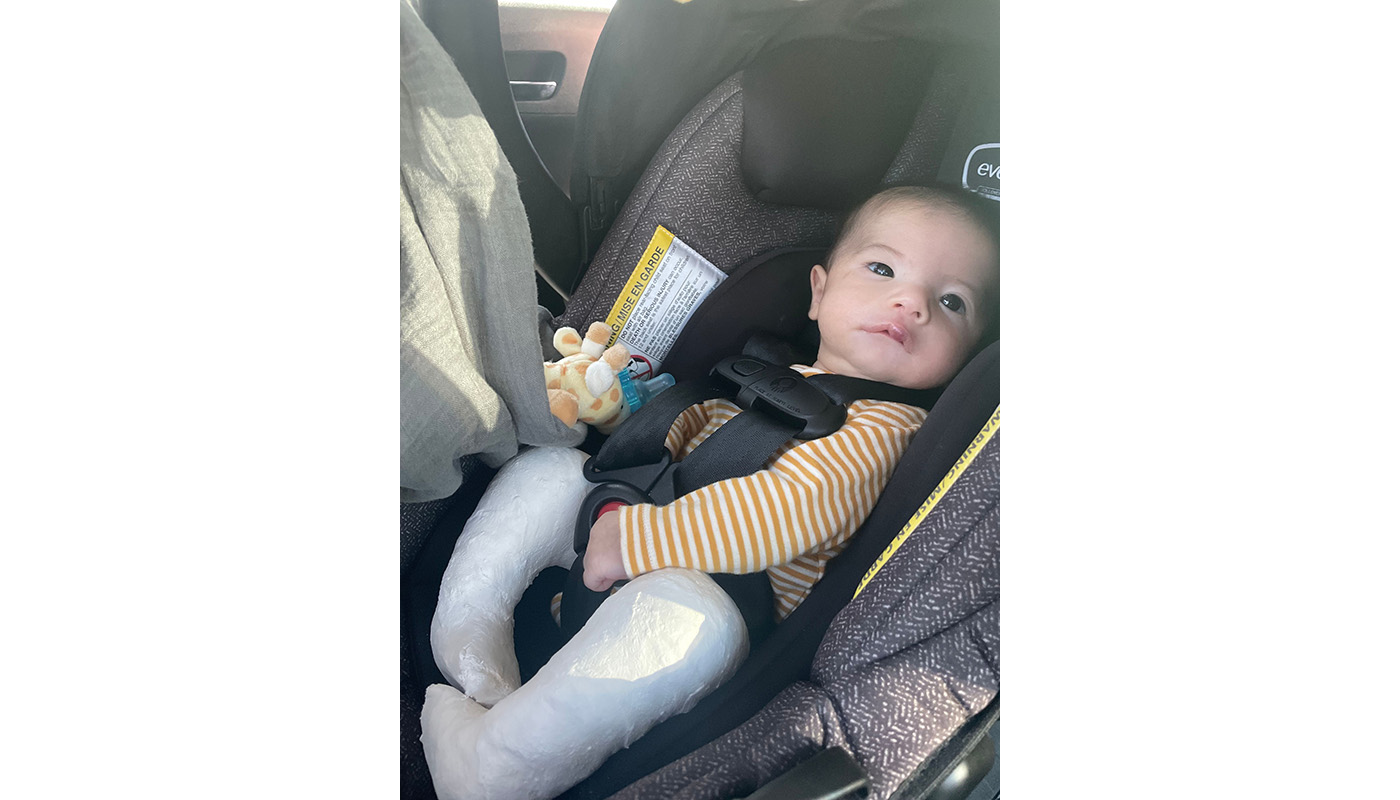
Her journey also led her to Miller Children’s & Women’s dedicated Clubfoot Clinic within the Orthopedic Center at the Children’s Village, where she began treatment for her clubfoot under the care of Emory Chang, M.D., a pediatric orthopedic surgeon. Dr. Chang initiated casting using the Ponseti Method, the leading non-surgical treatment for clubfoot which involves gentle stretching, casting, Achilles tenotomy, and bracing. As one of only a handful of physicians in Southern California certified in this method, Dr. Chang’s expertise ensured Camila received the highest standard of care. During this time, she also worked with DanaAnn Huey, a physical therapist through the Rehabilitation Center at the Children’s Village, to build strength and mobility.
When Camila turned 12 months old, she underwent surgical correction for her Achilles tendon, and transitioned to Kara Costello, a physical therapist with 18 years of experience, to continue the next phase of her rehabilitation.
Milestones in Motion: Therapy That Transforms Lives
Kara remembers Camila as a “very timid, very shy little girl” when she first began physical therapy.
“She wasn’t very mobile at first, she would just sit quietly,” recalled Kara. “It took three or four sessions before I could even put my hands on her. She was scared, unsure, and understandably hesitant to use her feet.”
This kind of apprehension is common among children recovering from clubfoot treatment. After months of limited mobility, suddenly being asked to bear weight and move in new ways can feel unfamiliar and even frightening. Healing takes time, and once the physical pain subsides, children still need to rebuild trust in their bodies. That’s where pediatric physical therapy plays a vital role—not just in restoring movement, but in nurturing confidence and emotional resilience.
Using gentle, play-based developmental handling techniques, Kara helped Camila progress from sitting to crawling, then standing and walking. Each step was celebrated, and each challenge met with patience and creativity.
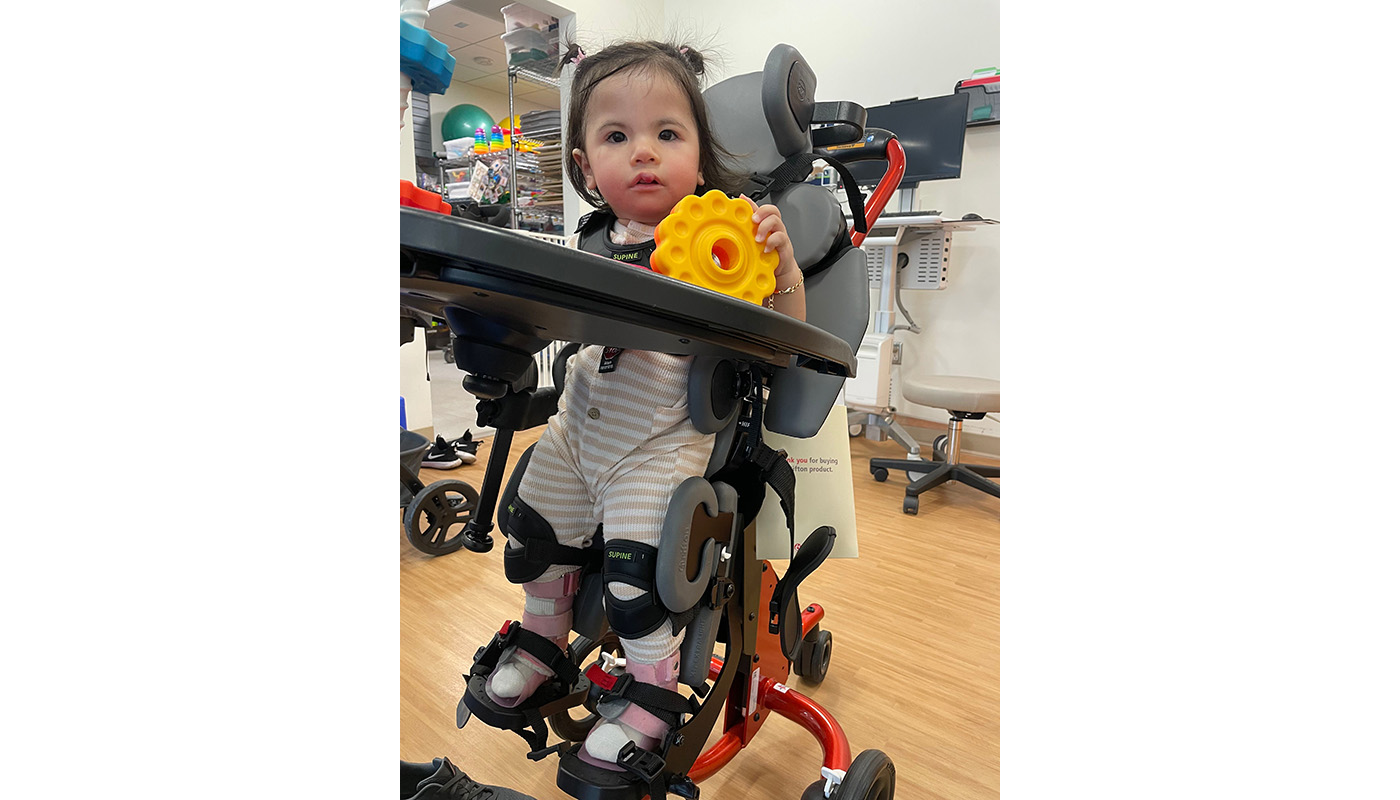
One of Camila’s most remarkable milestones came when she began using a stander, a device that supports children who can’t stand independently.
“We use standers and walkers in physical therapy for children who have trouble standing because we know how critical standing is, not just for mobility, but for digestion, bone health, and hip development,” explained Kara. “From her surgery in October to June, Camila was cruising on her own. Her development is months ahead of typical timelines, and that’s a testament to her determination and her family’s unwavering support.”
Camila’s therapy is further complicated by tibial torsion, a condition where the bones in her legs are twisted. Though her feet appear straight, the underlying bone structure requires surgical correction. Dr. Emory Chang has recommended waiting until Camila turns 4 years old to perform the surgery. This timing is intentional.
“Children’s bones grow rapidly during early development,” explains Emory Chang, M.D., orthopedic surgeon, Orthopedic Center, Miller Children’s & Women’s Hospital. “Waiting allows for more natural alignment and helps us avoid multiple surgeries. Operating too early could interfere with growth plates, which are essential for healthy bone development. Our goal is always to minimize trauma and support long-term mobility.”
Pediatric orthopedic surgeons like Dr. Chang undergo two additional years of specialized training beyond standard orthopedic education, equipping them to understand and treat the unique needs of growing children. Their expertise is vital in making decisions that support long-term mobility and minimize trauma.
To support Camila’s mobility in the meantime, Kara developed a custom Velcro strap system to help her walk more safely.
“Her feet turn in and she trips over them,” said Kara. “So I made a strap that connects her ankles to her waist to help turn her feet out and teach her body how to walk.”
The Power of Family and Determination
Today, Camila uses a reverse walker, allowing her to move freely and independently. She’s now working on standing without support and can take one to two independent steps. Kara credits much of this progress to the family’s dedication.
“Camila’s parents practice everything religiously; any new skill Camila tries during therapy, her family works on it at home with dedication and love,” shared Kara. “Camila is truly a dream patient, and it’s incredibly special to see her improve every single time I see her. But I always remind families that I'm with their child for just one hour a week. It's the parents, grandparents, and caregivers who are with them 24/7. That consistent family involvement is what makes the biggest difference. Liliana, Carlos, and Camila’s grandmother have been unwavering in their commitment, and it shows in every milestone Camila reaches.”
For children like Camila, physical therapy is more than just movement—it’s a pathway to independence, confidence, and improved quality of life. Pediatric physical therapists are specially trained to understand how children grow, learn, and adapt. They use play-based techniques and developmental milestones to guide therapy, helping children build strength, coordination, and motor skills in ways that feel natural and empowering. In Camila’s case, therapy has not only supported her physical development but has also helped her overcome challenges related to her neurological condition and orthopedic needs.
Looking Ahead: Hope for the Future
Camila’s story is a testament to the power of expert care, innovation, and unwavering family support. At Miller Children’s & Women’s Hospital, she’s not just receiving treatment—she’s thriving. With continued therapy and a carefully timed surgical plan, Camila’s future is full of promise.
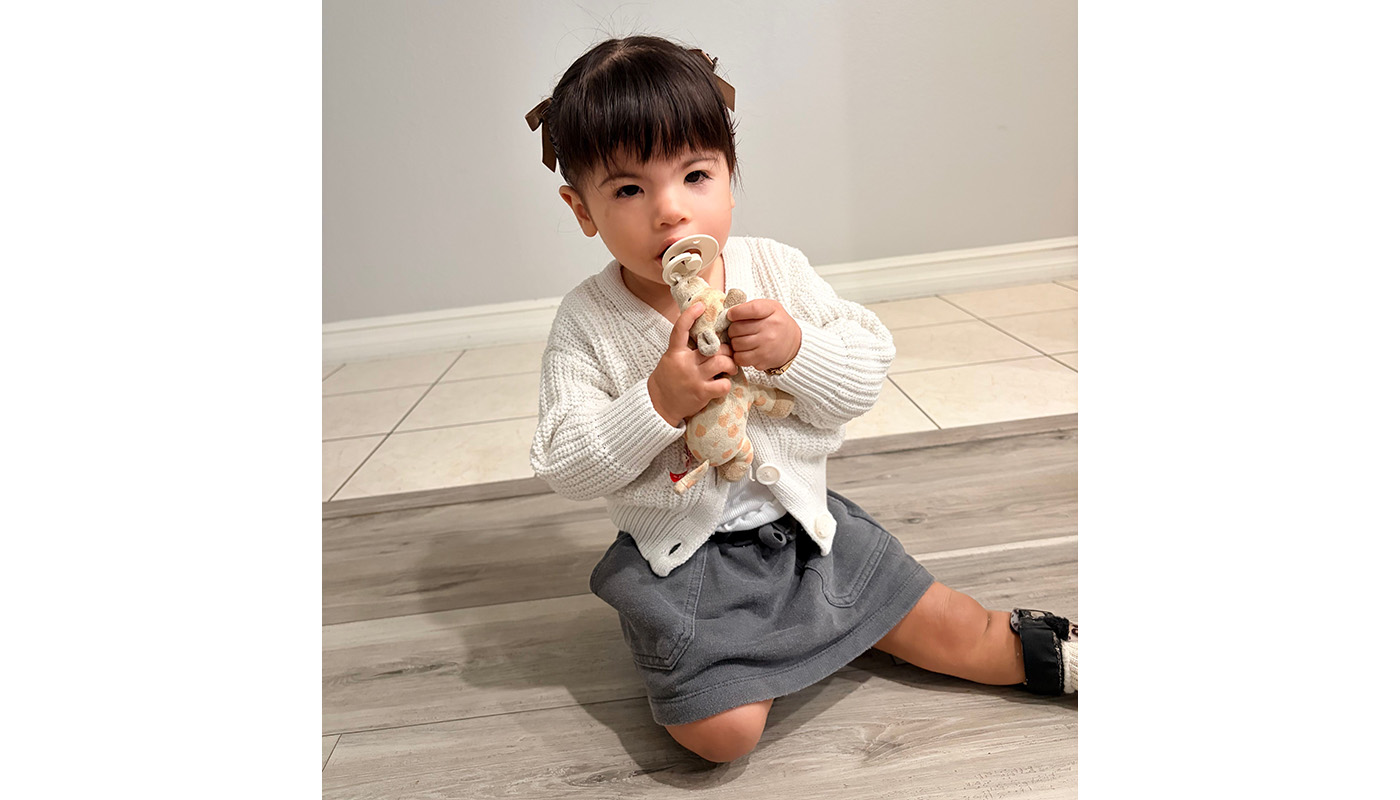
At just two years old, Camila Lopez has already shown the kind of strength and spirit that inspires everyone around her.