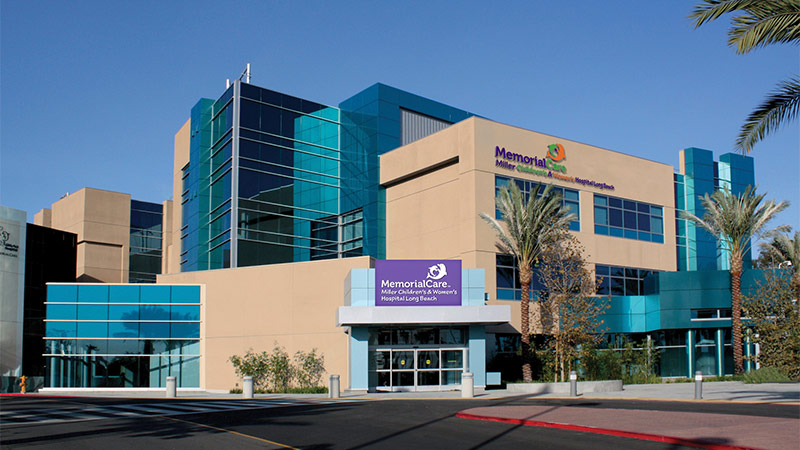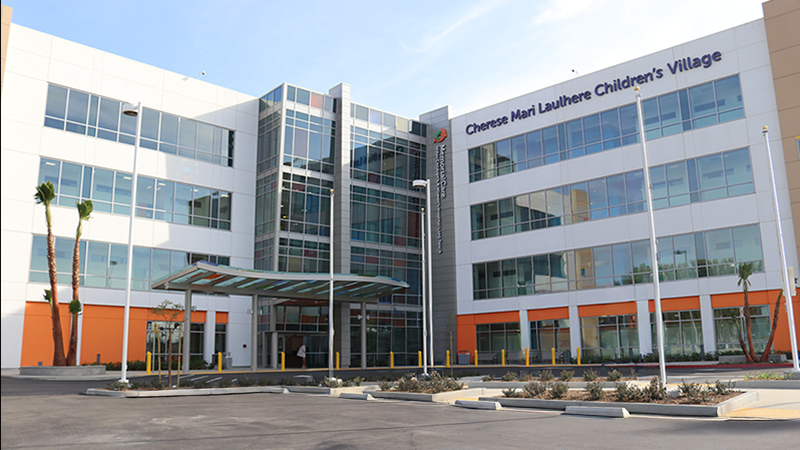
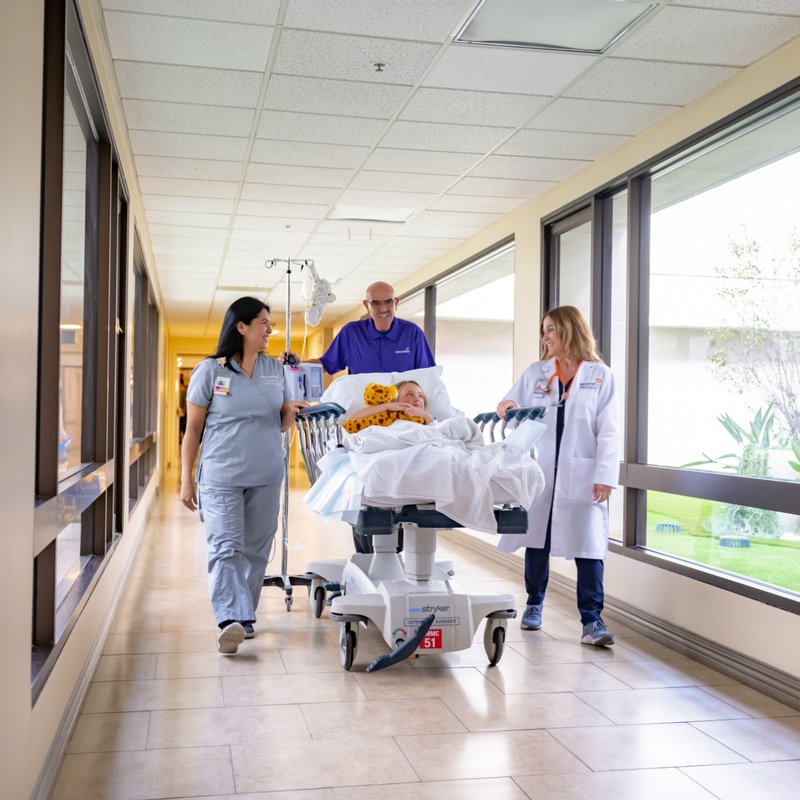
Our Surgical Center provides common and complex surgical care for children, from newborns to young adults, in a state-of-the-art facility designed just for kids. Our board-certified specialty surgeons and expert surgical care team are specially trained in pediatric care because children’s surgical needs differ from those of adults.
Children who need surgery in the torso area may be seen by a general pediatric surgeon. Conditions treated include hernias, undescended testicles, head and neck masses, non-cardiac thoracic problems, chest wall deformities and some cancerous tumors. Our general pediatric surgeons also perform leading minimally invasive surgeries, such as gallbladder removals and appendectomies, which can usually be done on an outpatient basis (no overnight stay).
Our surgical center also performs cardiac, ENT, plastic, orthopedic, neurosurgery and urology procedures. By working with in-house pediatric subspecialists covering more than 30 specialties, our surgical care team provides thorough, coordinated care for each child.
Our surgical care team also has extensive experience in neonatal surgery, treating congenital defects in newborns and premature infants, including major vascular procedures. Our pediatric surgeons work closely with anesthesiologists to provide anesthesiology care and ensure each child’s comfort. We also care for injured children admitted through the trauma or emergency department.
Designed Just for Kids
We provide surgical care in a family-centered environment that comforts children and eases their anxieties and fears. Our kid-friendly team includes expert pediatric surgeons, anesthesiologists, nurses and surgical assistants, all extensively trained and experienced in pediatric surgical care. For everything from minimally invasive outpatient procedures to more complex cases, our operating suites are equipped with leading-edge technology designed specifically for children.
- Colorful, comfortable waiting areas, playrooms and family lounges help ease children’s fear of surgery. Parents and siblings can wait in the family lounge while the patient is in surgery.
- A child going into surgery never sees a child coming out of surgery who is still asleep. Two separate hallways lead patients to and from the surgical suites, which helps reduce anxiety.
- Before surgery, children go to a pre-operation (pre-op) area. It includes a playroom where young patients can relax with books, games, arts and crafts or TV while they wait.
- Patients receive anesthesia in the induction room before entering the surgical suite. In most cases, one parent may stay with their child during induction to help ease anxiety and fear. Parents should ask their child’s surgeon whether this applies to their situation.
- Each of the seven private, state-of-the-art pediatric surgical suites gives the surgical team instant access to patient records, laboratory results and imaging studies. Strategically mounted TV monitors let patients fall asleep watching their favorite movie.
- After surgery, patients wake up in the family-friendly Post Anesthesia Care Unit (PACU), which our little patients often call the “wake-up” room. PACU staff closely monitor each child, and family members are invited to stay during recovery. Private recovery rooms with TVs are available if additional recovery time is needed.
Take a Tour!
Our Child Life Program offers pre-surgical tours that help children understand what will happen and feel less anxious. The surgical care team strongly encourages families with a scheduled procedure to take part. To schedule an onsite tour, call the Child Life Program at (562) 933-8060, or watch our virtual tour.

Surgical Center Virtual Tour
This video goes behind the scenes of almost every area of our Surgical Center to give you an idea of what to expect and help lessen any fears you and your family may have about surgery.
Recorrido del Centro de cirugía pediátrica
Haga un recorrido del Centro de cirugía pediátrica en MemorialCare Miller Children’s & Women’s Hospital. Este video revela casi toda área de nuestro Centro de cirugía pediátrica para darle una idea de lo que puede anticipar y para ayudar a reducir los temores que usted y su familia tengan acerca de la cirugía.
Surgery Process
We want you and your child to feel informed and comfortable. The tips and information below will help you prepare and know what to expect throughout the surgery process.
Preparing your child for surgery can reduce anxiety and help them tolerate surgery and anesthesia better.
- Ask your child’s surgeon, anesthesiologist and nursing team questions so you understand what your child will experience. This will give you confidence and help you talk calmly with your child.
- Speak honestly with your child about what will happen and listen to their concerns.
- Encourage medical play and reading books about hospitalization together. A play medical kit at home can help your child get familiar with tools the care team may use, such as a stethoscope, masks and gloves.
- Include siblings in the preparation and encourage them to ask questions, too.
- Explain that the surgery will help them, and that they will start to feel better afterward.
- Use simple language your child can understand, such as “sleepy medicine” for anesthesia.
The more you prepare your child, the better they will understand what to expect and the less anxious they will feel.
- Make sure your child has a bath or shower and gets adequate rest.
- Your child cannot eat or drink after a designated time the evening before surgery, including water, gum and candy. You will be told when to stop food and drink and when to give prescribed medications.
- Supervise your child while they brush their teeth, so they do not swallow toothpaste or water on the day of surgery.
- If your child is having inpatient surgery, pack an overnight bag and keep it in the car.
- If your child takes medication for heart conditions (especially beta-blockers), blood pressure or seizures, or uses inhalers, have them take it with a sip of water on the morning of the procedure.
- Sign in at the Miller Children’s & Women’s Hospital lobby.
- Bring any items your child’s physician has instructed you to bring.
- Leave valuables at home. Bring only your ID and a method of payment if a co-pay is required.
- Bring any legal health care documents, such as an advance directive, guardianship, durable power of attorney or conservatorship papers.
- Do NOT bring siblings or other children to your child’s procedure.
- Your child’s anesthesiologist will meet with you and your child just before the procedure.
- A parent or guardian must always remain in the Surgical Center lobby (ground floor). Staff will tell you where to wait on the day of surgery.
Centers & Programs
Our General Surgery Program provides care for infants, children and adolescents up to the age of 21, who have hernias, gastroschisis, skin tags and other conditions that need general surgery to treat a condition.
Our Neurosurgery Center, part of the Outpatient Surgical Specialty Center, provides surgical intervention for a variety of brain and spinal cord disorders and injuries. Some of these disorders include brain tumors, spina bifida, hydrocephalus and epilepsy.
The Plastic Surgery Program provides surgical intervention for a variety of facial disorders, facial trauma and pressure ulcers and other wounds or injuries.