Published on July 8, 2026
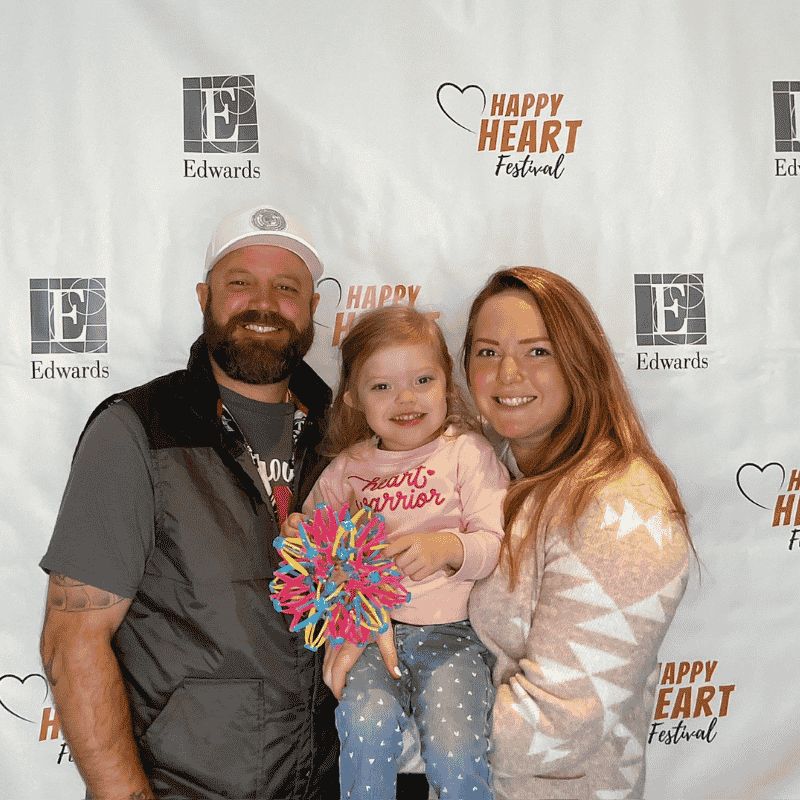
At just four years old, Hadley radiates a joy that’s contagious. She’s the kind of child who lights up a room with her smile, who instinctively knows when someone needs a hug, and who finds joy in playing outside, making new friends, and recently, tumbling through her first gymnastics class. Her empathy and intuition are far beyond her years, and her love for school is matched only by her love for people. But Hadley’s journey to this joyful place has been anything but simple.
Receiving a Prenatal Diagnosis of Hypoplastic Left Heart Syndrome
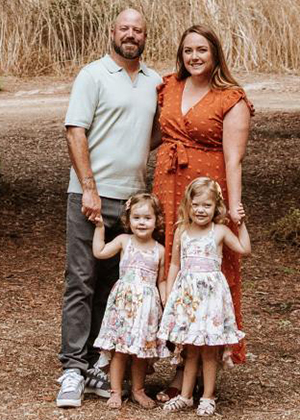
Hadley’s story began before she was born. During the 20-week anatomy scan, her parents, Joe and Lindsay Marangi, sensed something wasn’t quite right. The ultrasound took longer than expected, and the technician kept asking questions about heart conditions.
By the end of the appointment, they were told something was wrong with Hadley’s heart. Initially, the diagnosis was unclear and possibly linked to Down syndrome. It was the first moment Hadley’s parents realized the seriousness ahead.
“When the doctor explained there was a serious issue with Hadley’s heart, a condition called hypoplastic left heart syndrome, everything shifted,” Lindsay shared. “In that moment, I knew this wasn’t something minor, and everything was about to change.”
What Is Hypoplastic Left Heart Syndrome?
Hypoplastic left heart syndrome (HLHS) is a rare and serious congenital heart defect in which the body does not form the left ventricle of the heart. As a result, babies are born with only one fully functioning pumping chamber supporting circulation in their body. Babies with HLHS require specialized care immediately after birth and typically undergo a series of carefully staged surgeries during infancy and early childhood to reroute blood flow and support heart function.
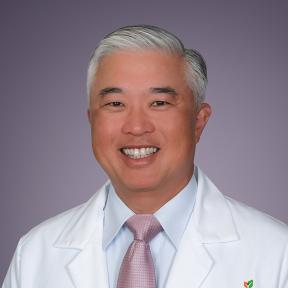
“This condition affects the heart’s ability to pump oxygen‑rich blood to the body, making the condition life‑threatening without intervention,” said David S. Chun, M.D., pediatric cardiologist, Children’s Heart Institute, Miller Children’s & Women’s Hospital. “Babies with hypoplastic left heart syndrome require specialized care immediately after birth and undergo a series of carefully staged surgeries before age 3 to reroute blood flow and support heart function.”
From that point on, their world flipped upside down. They were thrust into a whirlwind of medical terminology, consultations, and decisions no parent ever wants to face. However, amid the fear and uncertainty, they found strength in their community. Hadley’s grandma, a nurse with over 40 years of experience, and Joe’s aunt, also a long-time nurse, became pillars of support. The Marangi family was surrounded by a tribe of people who rallied around them, offering love, guidance, and practical help.
Finding Specialized Care for Hypoplastic Left Heart Syndrome
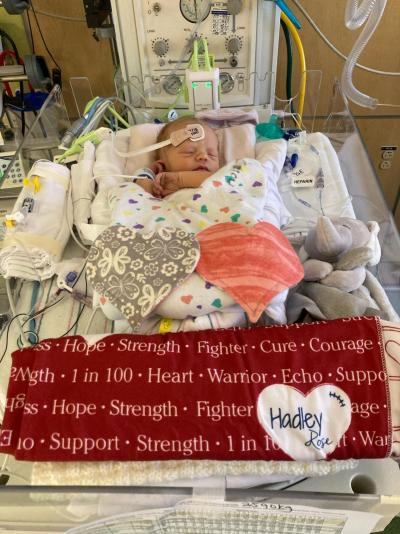
Faced with an uncertain future, Joe and Lindsay knew Hadley would need highly specialized care.
To confirm her diagnosis of hypoplastic left heart syndrome, they were referred to Miller Children’s & Women’s Hospital, a full-service children’s and women’s hospital uniquely equipped to support families facing complex pregnancies and congenital heart conditions. There are only three of its kind in California, and Miller Children’s & Women is one of them.
Once under the care of Miller Children’s & Women’s, they gained access to elevated care, specialty trained clinicians and essential resources that help families navigate high‑risk pregnancies and life‑altering diagnoses, including:
- The Perinatal Connections Program, designed to guide families through high-risk pregnancies with compassion and expertise
- Maternal-Fetal Medicine Specialists, who work closely with families experiencing complex prenatal diagnoses and coordinate advanced fetal care
- The Children’s Heart Institute, one of the few programs in the region providing comprehensive congenital cardiac care
Miller Children’s & Women’s is also home to one of the region’s only dedicated pediatric Cardiothoracic Intensive Care Unit, ensuring the highest level of care for newborns with critical heart conditions. This combination of advanced resources and family‑centered support meant Hadley’s parents didn’t have to navigate the unknown alone, they had a team ready to walk with them every step of the way.
How the Perinatal Connections Program Supports High-Risk Pregnancies
When Joe and Lindsay were first connected to the Perinatal Connections Program through their OB-GYN, they were overwhelmed and afraid. Annie Petteys, MSN, Fetal Care Coordinator and Janine Le Roy, RN, Fetal Diagnostics at Miller Children’s & Women’s met with them early on to explain what to expect, outline next steps, and begin assembling the specialists who would care for Hadley. The program offered not just medical information, but emotional support and guidance.
Their first prenatal appointment through the program introduced them to a multidisciplinary team at Miller Children’s & Women’s Hospital, which consisted of maternal/fetal medicine specialists, neonatologists, pediatric cardiologists, neonatal rehabilitation therapists, social workers, and lactation consultants.
Leading Lindsay’s maternal–fetal medicine care was Vineet Shrivastava, M.D., maternal-fetal medicine specialist, whose expertise and calm guidance helped the family navigate each step with confidence. Together, they began building an advanced care plan and a birth plan that reflected Lindsay’s hopes for a natural delivery. The team honored her wishes wherever possible, making the experience as comforting as it was medically sound.
“Our goal was to empower Lindsay with clear information and a plan that respected her birth preferences while ensuring her baby received the highest level of specialized care,” said Dr. Shrivastava. “Families facing a diagnosis like hypoplastic left heart syndrome deserve both advanced medicine and compassionate support.”
Prenatal Cardiac Imaging and Diagnosis of HLHS
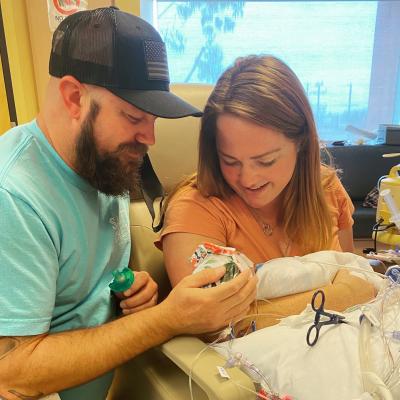
Through the Perinatal Connections Program, the Marangi family was introduced to the pediatric cardiology team at Miller Children’s & Women’s Hospital. As part of her evaluation, Lindsay underwent advanced imaging, including a detailed fetal echocardiogram, which is a specialized ultrasound that allows cardiologists to assess the structure and function of Hadley’s heart before birth.
This level of diagnostic precision is possible only at a dedicated children’s and women’s hospital with expertise in maternal-fetal medicine and congenital heart disease. Early access to these resources ensured that Hadley’s care plan was tailored from the very beginning, giving her the best possible chance of a healthy future.
“Early diagnosis allows us to build a coordinated plan long before a baby is born,” said Dr. David S. Chun. “With conditions like hypoplastic left heart syndrome, preparation is everything. It gives families clarity and gives us the opportunity to provide care that is safe, coordinated, and truly individualized.”
Behind the scenes, Hadley’s case was reviewed at a fetal care conference, where specialists from maternal/fetal medicine, cardiology, neonatology, surgery, rehabilitation, and child life collaborated to ensure a seamless plan for her arrival.
As part of the preparation for Hadley’s birth, the Perinatal Connections team arranged a hospital tour, giving the Marangi family an opportunity to meet members of the cardiac team and see the spaces where Hadley would receive care. The compassion and respect they experienced left a lasting impression.
One moment that stood out to Lindsay came when she read a nurse’s report following a prenatal visit. The note described Hadley as “very much wanted,” and her parents as “excited for her to be here.” That simple affirmation meant everything. It reminded them that Hadley was not just a diagnosis—she was their daughter, their first child, and deeply loved.
Coordinated Congenital Heart Care from Birth Through Recovery
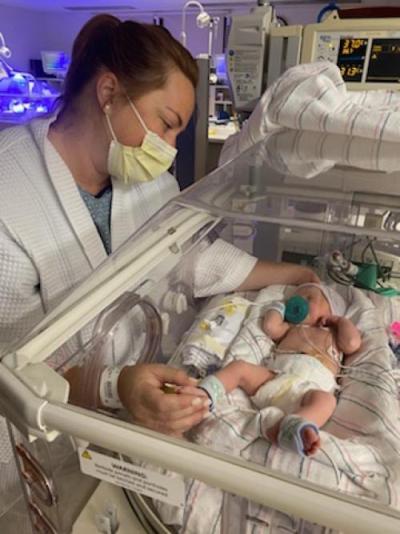
After months of preparation with the Perinatal Connections team and Dr. David S. Chun, everything was in place when it came time for Lindsay to deliver. Due to Hadley’s heart condition, Lindsay delivered in the Perinatal Special Care Unit, a specialized unit within the Cherese Mari Laulhere BirthCare Center that cares for more than 3,000 women with high‑risk pregnancies each year.
Just steps away from the Perinatal Special Care Unit is Miller Children’s & Women’s Level IV Neonatal Intensive Care Unit—the highest designation available—equipped to care for the most critically ill newborns and those requiring immediate, specialized cardiac support at birth.
After delivery, Hadley was rapidly evaluated and stabilized by the neonatal and cardiac teams at Miller Children’s & Women’s. Because her diagnosis of hypoplastic left heart syndrome required a highly complex first-stage surgery, the Norwood procedure, she was transferred to a partner hospital equipped to perform the surgery, a transition that had been carefully planned in advance by her care team.
Throughout the process, care teams worked in seamless collaboration to ensure Hadley’s safety, comfort, and continuity of care.
Once Hadley successfully completed her initial surgery, she was transferred back to Miller Children’s & Women’s where Cynthia Herrington, M.D., cardiothoracic surgeon, performed subsequent surgeries and continued her specialized cardiac care. During this time, her care expanded beyond cardiac support to include other critical needs.
Hadley required a gastrostomy tube (G-tube) to help with feeding, expanding her care team to include Barry Steinmetz, M.D., medical director of the Gastroenterology & Nutrition Center, and Dean Anselmo, M.D., a pediatric general surgeon. This collaboration, alongside her cardiac specialists, neonatologists, and other experts, highlights how many different teams worked together to support Hadley’s health and development every step of the way.
Compassionate Support for Families Facing Congenital Heart Disease
Throughout Hadley’s hospital journey, the support from Miller Children’s & Women’s Hospital never wavered. The nurses, therapists, and specialists who cared for her quickly became more than caregivers—they became family. They didn’t just administer treatments; they celebrated her milestones, comforted her parents, and transformed the hospital into a place of warmth during the most vulnerable moments of Hadley’s life.
One nurse, Janine, became especially meaningful to the Marangi family. She saw Hadley every two weeks throughout Lindsay’s prenatal appointments and brought a sense of calm and kindness to what could have been an overwhelming time. Her consistency, laughter, and genuine affection left a permanent imprint on Hadley’s early story.
Hadley’s progress wasn’t shaped by surgeries alone. It was strengthened by the remarkable people and programs at Miller Children’s & Women’s that brought comfort, empowerment, and joy along the way.
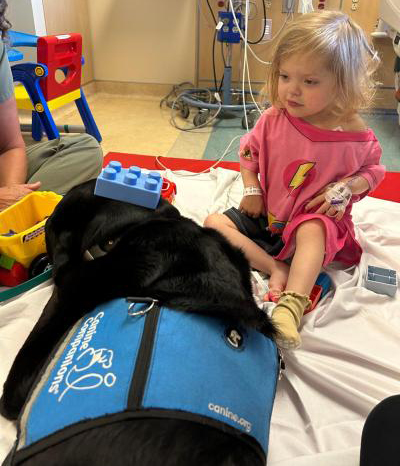
One of those sources of joy came with four paws and a wagging tail—Zeta, one of Miller Children’s & Women’s beloved facility dogs. Zeta, who recently retired, played an unexpected but pivotal role in Hadley’s feeding therapy. With the guidance of her occupational therapist, Ashley, Hadley slowly learned to trust the process. Before she could tolerate a toothbrush in her own mouth, she practiced by gently brushing Zeta’s teeth—an act that shifted fear into courage.
That simple moment of connection, guided by Ashley and supported by Zeta’s calming presence, helped Hadley overcome significant oral sensitivity. It ultimately paved the way for a major milestone: the day her G‑tube was removed. For her family, it wasn’t just a medical achievement; it was a powerful symbol of Hadley’s determination and the deeply supportive environment surrounding her.
Reflecting on the team that surrounded Hadley and her family every step of the way, Dr. Steinmetz spoke to the deeper meaning of care at Miller Children’s & Women’s Hospital:
“In pediatric medicine, the strongest outcomes happen when families feel they’re not facing the journey alone. Healing grows out of relationships, out of the trust built, the consistency shown, and the people who choose to show up again and again. Hadley’s story is a reminder that when caregivers become an extension of a family, extraordinary things can happen.”
The Heart Behind the Healing
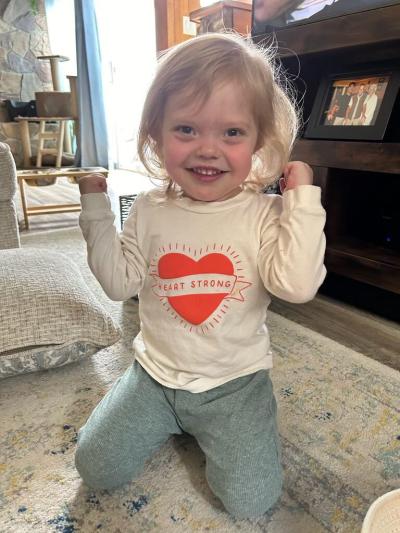
Hadley’s parents spent countless nights in the hospital, facing moments of uncertainty that would challenge any family. Through all of it, their faith became their anchor, guiding them through the darkest days. They learned to lean on their tribe—family, friends, and even strangers—who stepped forward with compassion, meals, prayers, and encouragement.
“The doctors and nurses weren’t just professionals—they were people,” Lindsay shared. “They cried with us, laughed with us, and celebrated every victory right alongside our family. That connection made all the difference.”
Words of Wisdom from A Once Scared Mom
Drawing from her own journey, Lindsay hopes her experience offers comfort and guidance to parents navigating a difficult diagnosis.
“Celebrate the good days. Laugh, be silly, and make memories,” she said. “Those moments matter more than you realize.”
She also emphasizes the importance of being informed and feeling empowered to advocate for your child.
“Research the diagnosis, ask questions, and don’t hesitate to ask again if you need clarity,” Lindsay shared. “The more you know, the better you can advocate for your child. And don’t be afraid to ask for help. Accepting support doesn’t mean weakness—it means strength.”
Lindsay offers one final reminder to parents who are just beginning their journey:
“Never underestimate the impact your child can have,” she said. “These little ones inspire hope and strength in ways you can’t imagine.”
Thriving After Hypoplastic Left Heart Syndrome
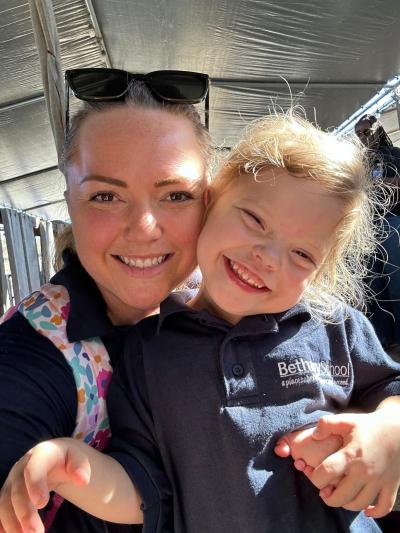
Today, Hadley is thriving. She attends kindergarten, where she has blossomed socially and academically. Her teachers describe her as empathetic, intuitive, and wise beyond her years. She is a child who brings light into every room she enters.
Her journey has shaped her into someone remarkably resilient, joyful, and full of life. The challenges she faced did not diminish her spirit. They strengthened it.
Today, Hadley continues to receive cardiac care through the Cherese Mari Laulhere Children’s Village at Miller Children’s & Women’s Hospital with Dr. David S. Chun. She is growing, thriving, and showing the world just how powerful a small heart can be.
Frequently Asked Questions About Hypoplastic Left Heart Syndrome
"Can hypoplastic left heart syndrome be diagnosed before birth?"
Yes. Hypoplastic left heart syndrome can often be diagnosed during pregnancy through prenatal imaging, including a fetal echocardiogram, a specialized ultrasound that allows physicians to evaluate a baby’s heart before birth. Early diagnosis helps families and care teams prepare a personalized treatment plan before delivery.
"What treatment is available for hypoplastic left heart syndrome?"
Babies with hypoplastic left heart syndrome require specialized care immediately after birth and typically undergo a series of carefully staged surgeries during infancy and early childhood. These procedures help reroute blood flow and support heart function. Ongoing care from pediatric cardiologists and other specialists is also an important part of lifelong management.
"Where can children with congenital heart disease receive specialized care?"
Children with congenital heart disease can receive specialized care through the Children’s Heart Institute at Miller Children’s & Women’s Hospital. The program provides comprehensive care, including prenatal diagnosis, pediatric cardiology, advanced cardiac imaging, cardiac surgery, intensive care and long-term follow-up for children with complex heart conditions.
Medically Reviewed By:
David S. Chun, M.D., pediatric cardiologist, Children’s Heart Institute, Miller Children’s & Women’s Hospital
Cynthia Herrington, M.D., cardiothoracic surgeon, Children’s Heart Institute, Miller Children's & Women's Hospital
Vineet Shrivastava, M.D., maternal-fetal medicine specialist, Cherese Mari Laulhere BirthCare Center, Miller Children's & Women's Hospital
Barry Steinmetz, M.D., medical director, Gastroenterology & Nutrition Center, Miller Children's & Women's Hospital
Dean Anselmo, M.D., pediatric general surgeon, Surgical Center, Miller Children's & Women's Hospital
Annie Petteys, MSN, Fetal Care Coordinator, Perinatal Connections Program, Miller Children's & Women's Hospital