
Published on Feb. 5, 2026
Southern California brings endless opportunities for children to enjoy the sunshine—beach days, splash pads and backyard adventures. But rising temperatures also bring increased risk of heat-related illnesses. According to the American Academy of Pediatrics, infants and young children account for nearly half (47.6%) of all heat-related illness cases in the U.S., and emergency department visits for these conditions have surged by 170% over the past decade.
At Miller Children’s & Women’s Hospital, our pediatric care teams treat a wide range of summer skin conditions, from mild heat rashes to more serious infections. Understanding how to identify, treat, and prevent heat rash can help families keep their children safe and comfortable all season long.
What Causes Heat Rash?
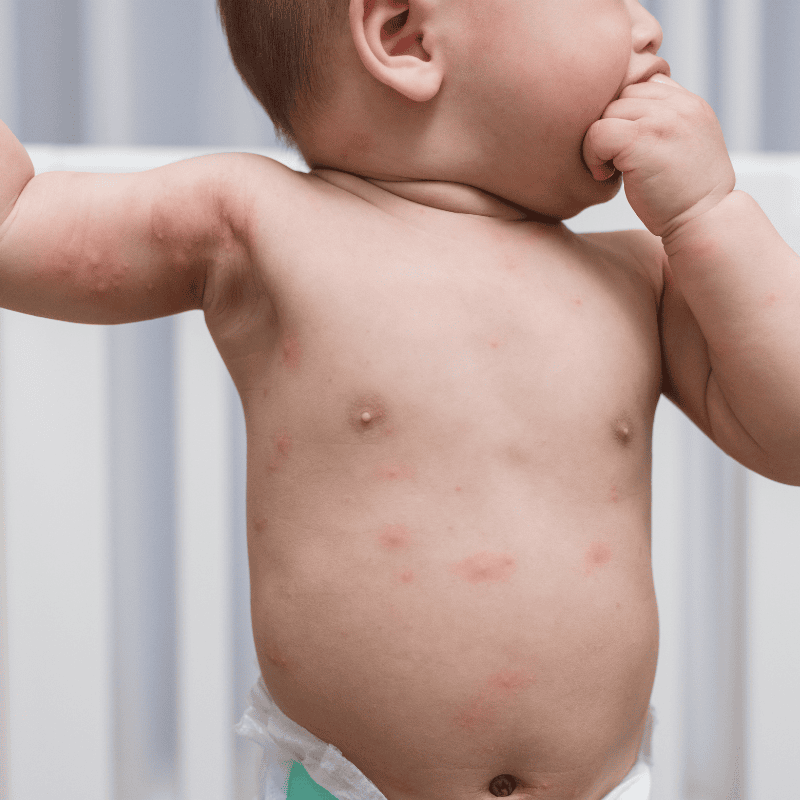
Heat rash, also known as miliaria or prickly heat, occurs when sweat glands become blocked, trapping moisture beneath the skin. This leads to irritation and inflammation, especially in areas like the chest, neck, underarms and back. In infants, it may also appear under the diaper or on the scalp.
Children are more vulnerable to heat because their bodies absorb heat faster and regulate temperature less efficiently than adults. Their sweat glands are still developing, making it harder to cool down naturally.
Types of Heat Rash
There are several forms of heat rash, each with distinct symptoms:
- Miliaria Rubra (Prickly Heat): The most common type, affecting up to 30% of children. Red, inflamed bumps that may itch or sting.
- Miliaria Crystallina: Tiny, clear fluid-filled bumps with little to no inflammation. Most common in newborns, affecting up to 10% of babies.
- Miliaria Profunda: A deeper rash affecting the dermis layer, resulting in firm, inflamed bumps. Often seen in children with recurrent heat rash episodes.
- Miliaria Pustulosa: A more severe form where bumps become infected, draining yellowish pus and possibly accompanied by fever. Relatively uncommon in infants and children.
If your child shows signs of severe heat-related illness—such as high fever, vomiting or rash with infection, the Long Beach Medical Center and Miller Children’s & Women’s Hospital Emergency Department is open 24/7 to provide immediate pediatric care.
Preventing Heat Rash
The best way to prevent heat rash is to avoid overheating. While it’s tempting to spend long days at the beach or pool, it’s important to balance outdoor fun with cool breaks indoors. When you do take your child out into the sun, prioritize dressing them in light breathable fabrics during activities, especially during sports and outdoor play.
Additional tips include:
- Daily Baths: Bathe your child regularly to remove sweat and bacteria. Use gentle, non-comedogenic soaps and pat skin dry.
- Hydration: Encourage frequent water breaks. Proper hydration helps regulate body temperature and reduce excessive sweating.
- Summer Bedding: Use lightweight, moisture-wicking sheets made from cotton, muslin or bamboo viscose. Avoid heavy blankets and wash bedding with hypoallergenic detergent.
- Sun Safety: Avoid peak heat hours and use shade or UV-protective gear when outdoors.
Treatment Tips from Our Experts
Most cases of heat rash resolve on their own, but these steps can help relieve discomfort:
- Cool Environments: Use air conditioning or fans. Cool baths and water compresses soothe irritation.
- Breathable Clothing: Dress children in loose cotton or linen. Avoid synthetic fabrics like polyester.
- Gentle Remedies: Calamine lotion, aloe vera gel and colloidal oatmeal baths help to reduce inflammation.
- Stay Dry: Let skin air out. Use breathable pajamas and place a cotton towel under your child at night.
Other Common Rashes
While heat rashes are most prevalent during the summertime, there is a variety of other rashes that parents should look out for year-round.
Eczema
Eczema affects up to 20% of children in the U.S. and is one of the most common chronic skin conditions in children. It causes dry, itchy and inflamed patches of skin that may crack, bleed or become infected. The intense itch can lead to scratching, which worsens irritation and increases the risk of secondary infections like eczema herpeticum, a serious herpes simplex virus complication.
Triggers include allergens, stress, dry air and harsh soaps. Treatment often involves:
- Daily moisturizing, especially after baths.
- Topical corticosteroids or calcineurin inhibitors for flare-ups.
- Environmental modifications like using humidifiers and hypoallergenic bedding.
- Behavioral support to reduce scratching and manage stress.
For children with chronic or complex eczema, the Rheumatology Center at Miller Children’s & Women’s Hospital offers specialized care for autoimmune and inflammatory conditions that affect the skin, joints and immune system. As one of the only dedicated pediatric rheumatology programs in the region, our center provides multidisciplinary expertise and access to advanced therapies tailored specifically for children.
Ringworm
Despite its name, ringworm is not caused by a worm—it’s a contagious fungal infection that appears as a red, ring-shaped rash with a clear center. It spreads through contact with infected people, pets or contaminated surfaces like gym mats and towels.
Children involved in sports or daycare settings are especially vulnerable. Treatment includes:
- Topical antifungal creams for mild cases.
- Oral antifungals for widespread or scalp involvement.
- Strict hygiene practices, including not sharing personal items and washing hands frequently.
Ringworm is highly treatable, but early intervention prevents spread to others.
Yeast Diaper Rash
Yeast diaper rash is caused by an overgrowth of Candida, a fungus that thrives in warm, moist environments. It typically appears as bright red patches with bumps around the groin, thighs and buttocks. Unlike regular diaper rash, it often persists despite standard creams.
According to the American Academy of Pediatrics, yeast diaper rash is common in babies who recently took antibiotics or have prolonged exposure to wet diapers. Treatment includes:
- Antifungal creams like clotrimazole or nystatin.
- Frequent diaper changes and air exposure.
- Avoiding wipes with alcohol or fragrance.
This rash appears as red, inflamed skin with small bumps, often around the groin, thighs and buttocks. It tends to last longer than a typical diaper rash and doesn’t improve with standard creams. Keeping the area clean and dry and applying an antifungal cream can help clear the infection. Yeast diaper rashes are quite common, but bathing your baby regularly and changing their diapers frequently may help in preventing these rashes.
Measles
Measles is a highly contagious viral illness that begins with cold-like symptoms—fever, cough and red eyes—followed by a spreading rash of flat red spots. On lighter skin, the rash appears bright red; on darker skin, it may look brownish-red or purplish.
Children under five are especially vulnerable to complications:
- Pneumonia, the leading cause of measles-related deaths.
- Encephalitis, or brain swelling, which can cause seizures or permanent damage.
- Severe dehydration from vomiting and diarrhea.
- Subacute sclerosing panencephalitis (SSPE), a rare but fatal brain disorder that can develop years later.
Vaccination with the MMR vaccine is the best protection. Miller Children’s & Women’s Hospital encourages families to stay up to date on immunizations recommended by the American Academy of Pediatrics and consult pediatricians if symptoms arise.
Chicken Pox
Chickenpox causes an itchy rash with fluid-filled blisters that crust over in 5–10 days. It’s often accompanied by fever, fatigue and headache. Though usually mild, it can lead to complications like bacterial skin infections or pneumonia in young children.
Treatment focuses on comfort:
- Fragrance-free anti-itch creams and acetaminophen for fever.
- Avoiding aspirin, which can cause Reye’s syndrome in children with viral infections.
- Keeping fingernails trimmed to prevent scratching and scarring.
The varicella vaccine is highly effective and recommended in two doses for full protection.
Rashes Are a Normal Part of Childhood
Skin rashes are a frequent part of growing up. From heat rash in summer to eczema flare-ups or mild irritations, most rashes are harmless and resolve with simple care. Children’s skin is more sensitive and reacts easily to changes in temperature, moisture and exposure to new environments, which is why rashes are so common during early years.
However, not all rashes are created equal. While many clear up on their own, some may signal infection or an underlying condition that needs medical attention. If your child’s rash is accompanied by fever, pain, spreading redness or signs of infection, contact your pediatrician promptly.
At Miller Children’s & Women’s Hospital, our pediatric specialists are here to help families navigate these concerns with expert guidance and compassionate care. For more safety tips, visit our Injury Prevention Program or speak with your child’s pediatrician.
About the Author
Dr. Steven Jensen is a board-certified pediatrician and Medical Director of General Pediatrics at Miller Children’s & Women’s Hospital. With decades of experience and a deep commitment to pediatric health, Dr. Jensen leads with clinical excellence and compassionate care.
He earned his medical degree from the University of Nebraska College of Medicine, followed by a residency in Pediatrics at the University of California, Irvine/Children’s Hospital of Orange County. He then completed a fellowship in Pediatric Critical Care Medicine at UCLA David Geffen School of Medicine/UCLA Medical Center, where he developed a strong foundation in managing complex pediatric conditions.