

Published on Nov. 18, 2026
 Many parents have never heard of pectus excavatum until their child is diagnosed with it. Affecting approximately 1 in every 300 to 400 children, pectus excavatum is the most common chest wall deformity in children. It occurs when the sternum (breastbone) develops inward, creating a depression in the chest.
For some children, pectus excavatum is primarily a cosmetic concern. However, more severe cases can impair exercise tolerance and affect self-confidence, particularly during adolescence. Symptoms associated with severe pectus excavatum include shortness of breath, fatigue or chest discomfort during physical activity. If you have concerns about your child's chest wall development, speak with your pediatrician, who can refer you to a pediatric surgeon for evaluation.
How Is Pectus Excavatum Treated?
The good news is that treatment options have advanced significantly in recent years. At Miller Children's & Women's Hospital, we offer comprehensive evaluation and treatment tailored to each child's needs. Not every child with pectus excavatum requires surgery, but for those who do, minimally invasive techniques can provide excellent results.
One of the most common surgical treatments is the Nuss procedure, a minimally invasive operation in which a curved metal bar is placed beneath the breastbone. The bar gently pushes the sternum outward, reshaping the chest wall over time. The procedure has become an established treatment for adolescents with significant pectus excavatum.
Helping Children Recover More Comfortably After Surgery
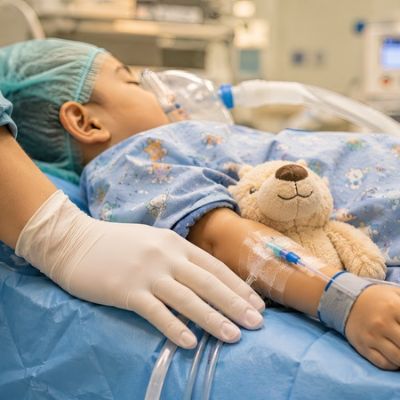 Advances in pain management have also changed the recovery experience for many children undergoing the Nuss procedure. One such advancement is intercostal nerve cryoablation; a technique performed during surgery that temporarily interrupts pain signals from the nerves running between the ribs. Cryoablation can reduce postoperative pain, decrease the need for opioid medications and facilitate a more comfortable recovery.
As a dedicated children's hospital, Miller Children's & Women's Hospital provides pediatric surgeons, anesthesiologists, nurses and child life specialists who understand the unique physical and emotional needs of children. Our goal is not only to provide expert surgical care, but also to help children return to the activities they love as safely and comfortably as possible.
Medically Reviewed By:
Dean Anselmo, M.D., general surgeon, Pediatric Surgical Center, Miller Children’s & Women’s Hospital
About the Author:
Dean M. Anselmo, M.D., is a pediatric surgeon at MemorialCare Miller Children’s & Women's Hospital. Certified by The American Board of Surgery in General and Pediatric Surgery and a fellow of the American Academy of Pediatrics and American College of Surgeons. Dr. Anselmo has been practicing pediatric surgery in Long Beach for more than 10 years. He graduated from UCLA School of Medicine and completed his residency at UCLA Medical Center and his fellowship at Children’s Hospital Los Angeles.
Dr. Anselmo is a part of the pediatric surgery program at Miller Children’s & Women's Hospital. His practice focuses on neonatal surgery, pediatric surgical oncology and minimally invasive surgery. His special interests include vascular anomalies.
