
Published on Nov. 18, 2026
Children get tired. They come down with colds, develop fevers and occasionally seem less energetic than usual. In most cases, these symptoms are part of everyday childhood. However, when symptoms persist or occur together, they may signal something more serious.
Leukemia is the most common childhood cancer, affecting the blood and bone marrow, where blood cells are produced. While childhood leukemia is rare, early diagnosis and prompt treatment are important for achieving the best possible outcomes.
Since leukemia develops in the body's blood-forming tissues, symptoms can sometimes be mistaken for common illnesses. Parents may notice persistent fatigue, frequent infections, unexplained bruising or bleeding, pale skin, bone or joint pain, swollen lymph nodes or recurring fevers. While these symptoms do not necessarily mean a child has leukemia, they should be evaluated if they continue or worsen over time.
How Is Childhood Leukemia Treated?
Hearing the word "cancer" can be overwhelming for any family. Fortunately, advances in pediatric cancer treatment have dramatically improved outcomes for many children with leukemia. Through partnership with the Children's Oncology Group, the Jonathan Jaques Children's Cancer Institute at Miller Children's & Women's Hospital provides access to leading-edge therapies, clinical trials and evidence-based treatment approaches. Care is personalized to each child and may include chemotherapy, targeted therapies, immunotherapy or clinical research studies, depending on the type of leukemia and the child's needs.
Where Can Children Receive Specialized Leukemia Care?
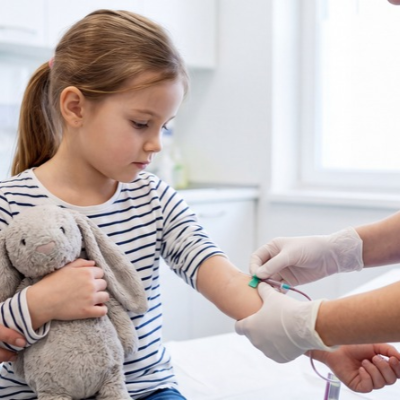
At the Jonathan Jaques Children's Cancer Institute, children receive care from a multidisciplinary team of pediatric hematologists-oncologists, nurses, social workers, child life specialists and other professionals dedicated to supporting the entire family throughout treatment.
Advances in treatment continue to improve outcomes for children with leukemia. At the Jonathan Jaques Children's Cancer Institute, survival rates for children diagnosed with acute lymphoblastic leukemia (ALL), the most common form of childhood leukemia, have consistently exceeded national averages. This commitment to innovation, research and personalized care helps give families confidence and hope throughout their child's cancer journey.
What Happens After Childhood Leukemia Treatment?
Care does not stop when treatment ends. Survivorship care helps monitor long-term health and support children as they return to school, sports and everyday activities. This ongoing follow-up through the Cherese Mari Laulhere Children's Village is an important part of helping childhood cancer survivors thrive for years to come.
Awareness of the signs and symptoms of leukemia can help families seek medical attention when concerns arise. With early diagnosis, advanced treatments and comprehensive support, children with leukemia have more reasons for hope than ever before.
Medically Reviewed By:
Krista Warren, NP, Solid Tumor Navigator, Jonathan Jaques Children's Cancer Institute, Miller Children's & Women's Hospital
About the Author:
Krista Warren, NP, is a Solid Tumor Navigator at the Jonathan Jaques Children’s Cancer Institute at Miller Children’s & Women’s Hospital. She works with children and their families as they navigate the complexities of cancer diagnosis, treatment and ongoing care.