
Published on July 7, 2026
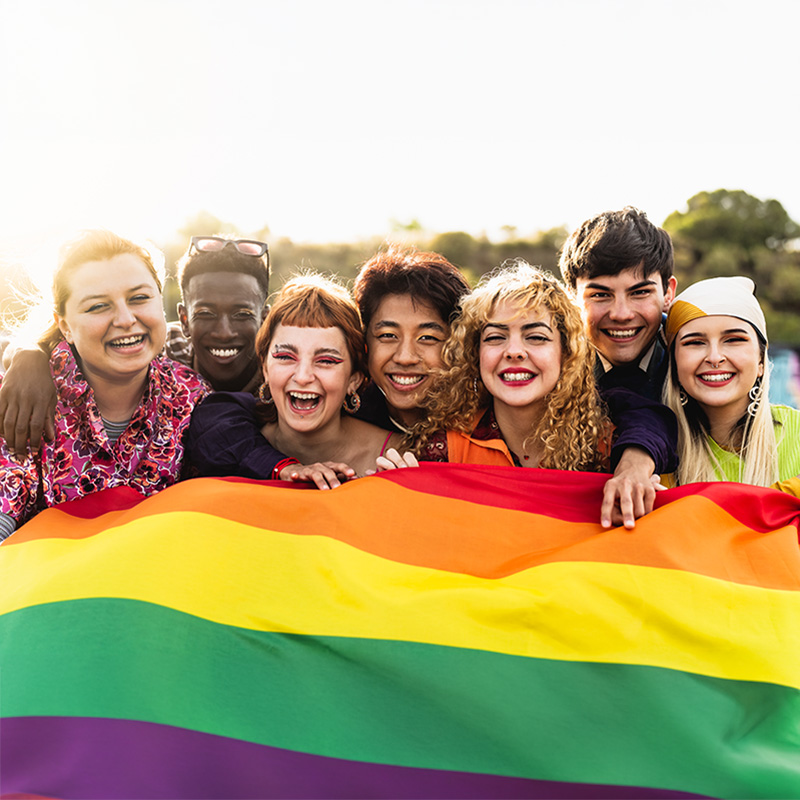
More than one in five young adults identify as LGBTQIA+, a number that continues to rise as social acceptance and visibility grow. According to Gallup’s 2024 survey, 22.7% of Generation Z adults (ages 18–27) identify as lesbian, gay, bisexual, transgender, or queer. This generational shift highlights the urgent need for families, caregivers, and communities to create safe, affirming environments where LGBTQIA+ children feel supported to reach their full potential.
Whether you’re a parent, teacher, neighbor, or friend, your support can shape a child’s lifelong mental and emotional well-being. Every child deserves to grow up feeling loved, valued, and celebrated for exactly who they are.
At Miller Children’s & Women’s Hospital, we recognize the unique challenges LGBTQIA+ youth face and are dedicated to helping families and communities foster affirming spaces where all children thrive.
Here are meaningful ways you can stand alongside LGBTQIA+ children in your life and community:
Culture of Unconditional Support
The most powerful message a child can hear is: “I love you just as you are.”
Research shows that LGBTQIA+ youth who feel supported at home are far less likely to experience depression, anxiety or self-harm. Even small acts, like using a child’s chosen name and pronouns, have a measurable impact. On the other hand, youth from highly rejecting families are 8.4 times more likely to attempt suicide than those who experience little to no rejection, according to The Trevor Project.
At Miller Children’s and Women’s Hospital, our pediatric mental health professionals work closely with families to strengthen communication and coping skills. Whether a child has come out or is still questioning their identity, creating a safe, judgment-free space for open conversation is essential.
Affirm Their Identity
Gender and sexual orientation are natural parts of human diversity, just like eye color or height. Affirming a child’s identity means respecting and supporting who they are without trying to change them. This can include:
- Calling them by their chosen name and pronouns
- Supporting their clothing and expression choices
- Celebrating LGBTQIA+ milestones and visibility days, like Transgender Day of Visibility or Pride Month
These acts of affirmation may seem small, but they send a powerful message: “You are seen, you are safe, you are loved.”
Educate Yourself and Keep Learning
Many parents and caregivers worry they won’t have the “right words.” The truth is, you don’t need to be an expert; you just need to show up with compassion and a willingness to learn.
Start by exploring reputable resources like:
- PFLAG: The first and largest organization for LGBTQIA+ people, their parents and families and allies
- Human Rights Campaign – Resources for Parenting: Guides for caregivers, educators and allies
- Gender Spectrum: Offers resources for understanding gender identity and expression in youth
Miller Children’s & Women’s Hospital provides access to affirming, LGBTQIA+ inclusive mental health care and connects families with resources to become strong advocates.
Watch for Mental Health Struggles
LGBTQIA+ youth are at a higher risk for mental health challenges, not because of their identity, but because of stigma, bullying or rejection.
Warning signs may include:
- Withdrawal from friends or activities
- Decline in school performance
- Expressions of hopelessness
- Self-harm or talk of suicide
If you notice these signs, seek support early—it can make a lasting difference. If your child expresses thoughts of wanting to harm themselves or others, call 9-1-1 or visit the nearest emergency department. For additional support, you can contact the Trevor Project’s 24/7 crisis services by texting 'START' to 678-678, to connect with a counselor trained to support LGBTQIA+ youth.
Advocate in Community Spaces
Support doesn’t stop at home. It’s vital that schools, afterschool programs and local spaces are safe and inclusive for LGBTQIA+ kids.
To help support inclusivity, caregivers can:
- Encourage schools to implement inclusive anti-bullying policies
- Advocate for gender-inclusive bathrooms
- Support the creation of Gay-Straight Alliances (GSAs) or similar peer support clubs
Miller Children’s & Women’s Hospital partners with local schools, pediatricians and community organizations to expand inclusive care. Through collaboration with The Guidance Center, licensed psychologists are embedded in outpatient clinics to provide mental health screenings and interventions. When children need ongoing care, families are seamlessly connected with The Guidance Center, helping bridge critical mental health gaps in the Long Beach area.
Model Inclusive Behavior
Children learn by watching the adults in their lives. Show them what inclusion looks like by:
- Speaking up against homophobic or transphobic comments
- Using inclusive language and normalizing diverse family structures
For parents seeking additional resources, Welcoming Schools offers curated booklists and media recommendations that celebrate LGBTQIA+ identities. These lists are designed to help families, educators, and caregivers foster inclusive environments at home and in schools. From picture books to young adult novels, the selections reflect the rich diversity of gender and sexual orientation and promote empathy, respect, and affirmation.
Build a Village of Support
Families thrive when they have community. Whether it’s a support group, a therapist or affirming friends, surrounding your child with acceptance is key.
Local and national support systems include:
- The LGBT National Youth Talkline
- Q Chat Space (live-chat support for LGBTQIA+ teens)
- Parents for Transgender Equality Council
Let Your Child Lead
There is no single timeline for discovering identity. Some children know early, while others take time to explore. The most affirming thing families can do is to let children lead and walk beside them with patience and trust.
Supporting LGBTQIA+ youth doesn’t require perfection—just presence, openness and love.
At Miller Children’s & Women’s Hospital, we are proud to stand with families and community allies who are committed to nurturing the health and happiness of every child, exactly as they are. Together, we can build a future where LGBTQIA+ youth are safe, seen and celebrated.