Published on Sept. 9, 2025
As a pediatric gastroenterologist, I’ve seen firsthand how diet can affect a child’s overall health – physically, emotionally and developmentally. One of the most concerning trends we’re seeing today is the overwhelming presence of ultra-processed foods in children’s diets.
According to a study published in the Journal of the American Medical Association in 2021, more than 67% of the calories consumed by children and teens in the U.S. now come from ultra-processed foods. These include packaged snacks, sugary drinks, frozen meals and other products high in added sugars, sodium, unhealthy fats and artificial additives.
While these foods may be convenient, they often lack essential nutrients that are critical for a child’s growth and development. When ultra-processed foods displace healthier options like fruits, vegetables, whole grains and lean proteins, children are at risk for nutrient deficiencies that can affect everything from bone development to brain function.
The American Academy of Pediatrics has raised concerns about the health effects of ultra-processed foods and excessive added sugars in children’s diets, linking them to an increased risk of obesity, type 2 diabetes, and metabolic syndrome. Additionally, research shows that poor dietary patterns established in childhood often persist into adulthood, increasing lifelong health risks.
There has been an observed increase in gastrointestinal issues such as chronic constipation and poor gut health. A diet high in ultra-processed foods can disrupt the gut microbiome, which is crucial for digestion, immunity, and even mental health.
At Miller Children’s & Women’s Hospital, our team works closely with families to build healthier eating habits from an early age. Through nutrition education, medical management and ongoing support, we aim to set children on a path to lifelong wellness.
Parents and caregivers play a key role in shaping these habits. By reading food labels, limiting packaged snacks and offering a variety of whole, minimally processed foods at home, we can help our children grow into healthier, happier adults.
The Torrance Outpatient Specialty Center, a satellite center of Miller Children’s & Women’s Hospital, provides families with access to pediatric specialists close to home in the South Bay, including those trained in evaluating and managing gastrointestinal conditions and nutrition-related concerns. Should the need arise, the center serves as a bridge to more advanced care just down the road at the Gastroenterology & Nutrition Center at Miller Children’s & Women’s Hospital.
If you’re concerned about your child’s diet, growth or digestive health, it’s important to seek consultation with a gastroenterologist. Early evaluation can help identify issues like food intolerances, chronic constipation, and nutrient deficiencies – and set your child on a healthier path forward.
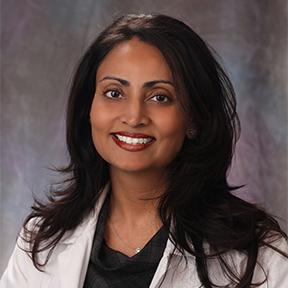
About Dr. Mini Mehra:
Mini Mehra, M.D., serves the greater South Bay region after 15 years at the UCLA Medical Center as a board-certified pediatrician with additional certifications in gastroenterology, hepatology and nutrition. Dr. Mehra is an attending physician at Miller Children's & Women's Hospital and she continues her tenure at UCLA Medical School as an associate professor of pediatric gastroenterology.
She is a former director of the Pediatric Eosinophilic GI Disorders Clinic at the UCLA School of Medicine, as well as the chief of the division of pediatric gastroenterology at Olive View-UCLA Medical Center. Dr. Mehra received her medical degree from the University of Texas Health Science Center, and completed her internship and residency training in pediatrics at the UCLA School of Medicine. Dr. Mehra also completed a fellowship in pediatric gastroenterology, hepatology and nutrition at the UCLA School of Medicine.
She is an active member of the medical community with membership in several professional organizations, including the North American Society for Pediatric Gastroenterology, Hepatology and Nutrition, American Academy of Pediatrics and the American Medical Association. She has lectured extensively in her areas of expertise both nationally and internationally. Her areas of interest include eosinophilic GI disorders, inflammatory bowel disease, hepatology, and nutritional support of the neonate to eating disorders of the adolescent.